How to Choose the Best Aesthetic Devices?
Choosing the best aesthetic devices requires more than comparing prices, brand names, or glossy treatment photos. Every clinic has different patients, treatment goals, budgets, and safety responsibilities. A device that performs well for pigmentation may not suit vascular concerns, hair reduction, or skin rejuvenation. There is no universal winner.
Practical experience should guide the evaluation. Review the device’s energy type, adjustable settings, cooling system, treatment speed, and maintenance requirements. Ask whether qualified professionals can operate it safely and consistently. Manufacturer documentation matters, but independent clinical evidence deserves equal attention. Look for published studies, realistic outcomes, transparent contraindications, and clear training support. Regulatory authorization should also be verified according to the device’s intended use and local requirements.
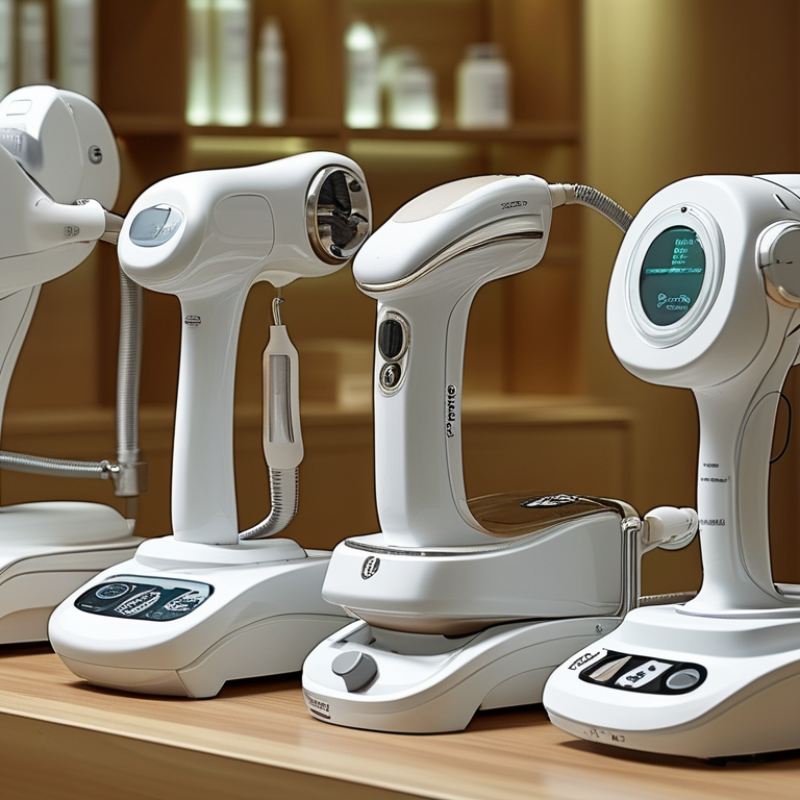
Small details often reveal long-term value. Can the handpiece reach difficult areas comfortably? Are replacement parts available? Does the interface reduce treatment errors? A quiet cooling system may improve patient comfort during a busy clinic day. These points are easy to overlook.
Not every impressive feature is necessary. Some claims sound stronger than the evidence. That deserves caution. A careful buyer should test demonstrations, request service records, and compare results across suitable skin types. Consultation with dermatologists, biomedical engineers, and experienced operators can expose weaknesses before purchase. Even well-designed aesthetic devices can produce inconsistent outcomes when settings, training, or patient selection are poor. The best choice is therefore the device that fits a documented clinical need, supports reliable practice, and can be used responsibly over time. Performance should be measured honestly, including limitations, maintenance costs, and occasional disappointing results.
Define Your Aesthetic Treatment Goals and Target Concerns
Choosing an aesthetic device becomes easier when your treatment goal is specific.
“I want better skin” is too broad for safe planning. Do you want to soften fine lines, reduce pigmentation, calm redness, or improve texture? Each concern may require a different energy type, depth, and treatment schedule. A qualified practitioner should examine your skin in natural light and review your medical history. Previous procedures matter too. Photos help track progress, but changing light can create false improvement.
Think about your daily routine and recovery limits. A device that causes visible peeling may not suit someone with frequent public presentations. Ask how many sessions are realistic, when results may appear, and what discomfort feels like. Do not choose based on dramatic online images alone. Those images may use filters, different angles, or carefully controlled lighting. I have seen people focus on a device’s appearance instead of its purpose. That is an easy mistake.
Check whether the device is authorized for its intended use in your region. Ask about published clinical evidence, operator training, skin preparation, and possible side effects. Darker or sensitive skin may need different settings and stronger sun protection. A careful provider should explain alternatives, not pressure you toward one procedure. Your goal may also need revision after assessment. That is not failure; skin rarely follows a perfect plan. Record your concern, budget, downtime, and expectations before treatment. Clear notes make the consultation more honest and useful.
Compare Device Technologies, Uses, and Treatment Mechanisms
How to Choose the Best Aesthetic Devices?
Choosing an aesthetic device starts with its mechanism, not its appearance. The ISAPS Global Survey 2023 recorded 19.1 million nonsurgical procedures worldwide, up 40.1% from 2020. This growth makes careful comparison more important.
Lasers deliver selected wavelengths into specific targets, such as pigment or hair follicles. Their effect depends on absorption, pulse duration, fluence, and cooling. Intense pulsed light uses a broader spectrum and may address diffuse redness or uneven pigmentation. Radiofrequency creates controlled dermal heating through electrical resistance, supporting collagen remodeling. Ultrasound focuses energy deeper and produces thermal coagulation points. The result can be gradual tightening, but treatment depth and comfort vary.
Mechanism matters.
In clinical practice, I compare the device with the patient’s skin type, treatment area, downtime tolerance, and medical history. A device designed for hair reduction is not automatically suitable for pigmentation. Darker skin may need longer wavelengths, lower energy, stronger cooling, and conservative treatment intervals. The American Society for Dermatologic Surgery’s consumer research also shows continuing demand for nonsurgical procedures, but demand does not prove suitability.
Do not trust impressive numbers alone. Ask for peer-reviewed evidence, operator training, safety testing, and treatment-specific outcomes. Inconsistent settings can change the result. That gap matters. A realistic consultation should explain expected improvement, possible adverse effects, maintenance needs, and when another technology may be safer. The best choice is often less dramatic, but better matched.
Assess Safety Standards, Clinical Evidence, and User Suitability
How to Choose the Best Aesthetic Devices?
Choosing an aesthetic device should begin with safety, not attractive results or polished advertising. Look for documented electrical, biological, and thermal safety testing from recognized independent bodies. Ask whether the device protects against overheating, excessive intensity, and accidental contact. Clear operating instructions matter. So do maintenance records. A device may look advanced while its safety file remains unclear. That is a warning sign.
Clinical evidence should match the exact device, treatment setting, and intended concern. Do not rely on studies using different technology or unusually skilled operators. Read the methods, sample sizes, follow-up periods, and reported side effects. Strong evidence includes peer-reviewed research and transparent adverse-event reporting. Ask how results were measured. A brighter photograph is not proof. In practice, I would compare published outcomes with consultation notes and conservative treatment plans. Evidence can still be limited. Admit that.
User suitability requires more than age or skin type. A qualified professional should review medical history, medications, allergies, pigmentation patterns, healing tendencies, and expectations. Some users need postponement, lower energy, or another option. A patch test may reduce uncertainty, but it cannot remove risk. Ask who performs the treatment and what training they hold. Also ask what happens if irritation develops. Comfortable consent matters. So does saying no. The best choice is the device whose risk profile fits the person, not the one promising the fastest change.
How to Choose the Best Aesthetic Devices?
Assess Safety Standards, Clinical Evidence, and User Suitability
The chart shows the number of practical verification checkpoints in each evaluation dimension. These checkpoints are based on recognized medical-device safety principles, clinical-evidence requirements, and patient-selection considerations. The figures are checklist counts, not market-share data or clinical outcome rates.
Safety Standards — 5 checkpoints
Risk management, electrical safety where applicable, biological safety, usability engineering, and authorization in the relevant jurisdiction.
Clinical Evidence — 4 checkpoints
Peer-reviewed evidence, validated treatment endpoints, appropriate follow-up duration, and transparent adverse-event reporting.
User Suitability — 5 checkpoints
Skin type or phototype, contraindications, treatment area, expected downtime, and operator training requirements.
Evaluate Device Quality, Features, Costs, and Maintenance Needs
Choosing an aesthetic device starts with quality, not appearance.
The ISAPS Global Survey 2023 recorded more than 18 million nonsurgical procedures worldwide. That demand makes dependable equipment essential. Check clinical evidence, electrical safety records, calibration procedures, and the manufacturer’s quality system. Ask for testing data under repeated use. A device should deliver stable energy after several treatments, not only during demonstrations.
Features must match real clinical needs.
Adjustable intensity, pulse duration, cooling, skin-contact sensors, and treatment records can improve control. Complex menus may slow staff training. They can also invite user errors. The ASPS 2023 National Plastic Surgery Statistics Report identified skin resurfacing among major minimally invasive services. Therefore, versatility matters, but unnecessary functions increase training and repair risks. I would test the handpiece with gloves before purchasing. Comfort is easy to underestimate.
Calculate total ownership cost, not only the purchase price.
Include installation, staff training, consumables, software fees, calibration, downtime, and replacement parts. A 2023 MedTech Europe industry report emphasized lifecycle management and servicing for medical devices. Request written maintenance intervals and response times. Ask who performs repairs and whether service records remain accessible. A cheaper device may become expensive after one failed cooling module. I would still leave room for doubt: projected revenue often assumes perfect utilization. Real clinics face cancellations, staffing gaps, and seasonal demand.
Choose a Trusted Supplier and Verify Training and Aftercare Support
When choosing aesthetic devices, supplier reliability matters as much as technical performance. The ISAPS 2023 Global Survey recorded more than 19 million nonsurgical aesthetic procedures worldwide. That scale increases the need for competent operators and dependable support. A trusted supplier should provide clear regulatory documentation, device specifications, service records, and maintenance guidance. Ask for the trainer’s qualifications, not only a certificate. Training should include hands-on practice, treatment settings, contraindications, skin assessment, and emergency response.
Aftercare must be practical. Confirm who answers technical questions after installation. Check response times, replacement-part procedures, software support, and calibration schedules. Request written patient-care protocols for redness, swelling, burns, or unexpected reactions. The American Society for Dermatologic Surgery’s 2023 consumer survey showed continued strong interest in minimally invasive treatments, making post-treatment guidance increasingly important. Patients expect clear instructions, not vague reassurance.
A polished sales presentation proves little. A certificate can still be insufficient. I would ask to observe a training session and speak with existing clinical users. Their experience may reveal delays that brochures hide. Suppliers should also explain complaint handling and adverse-event reporting according to local requirements. This step is easy to skip. It should not be. Reliable aftercare protects patients, supports practitioners, and helps clinics build evidence-based treatment habits over time.