How to Choose the Right Medical Aesthetics Courses for Your Career?
Choosing the right medical aesthetics courses is crucial in today's evolving healthcare landscape. The global medical aesthetics market is expected to reach $23 billion by 2025, a clear indicator of industry's growth and opportunity. According to Dr. Emily Chen, a prominent expert in medical aesthetics, “Education is the foundation of a successful career in aesthetics.” As the demand for advanced aesthetic procedures increases, selecting the right course can set a strong career trajectory.
In this field, diverse options exist, each tailored to various skill levels and professional backgrounds. Aspiring practitioners often face the challenge of identifying which courses will enhance their expertise. Reports show that 70% of professionals feel unprepared after completing their initial training. This gap highlights the need for thoughtful course selection.
Becoming proficient in medical aesthetics requires not just knowledge but also practical experience. Many courses offer hands-on training, but quality varies widely. Opting for programs led by industry veterans can provide insights that textbooks may not cover. Reflecting on personal goals and seeking mentorship are also vital in making informed choices.

Understanding the Landscape of Medical Aesthetics Education
The field of medical aesthetics is rapidly evolving. According to the American Society for Aesthetic Plastic Surgery, the industry saw a growth of over 20% in treatments performed from 2021 to 2022. This boom is driving the need for well-trained professionals. Understanding the right courses is crucial for building a successful career.
When selecting medical aesthetics courses, consider your learning objectives and career goals. Look for programs that offer hands-on training and are run by qualified instructors. Many courses emphasize safe practices in facial injections and laser treatments. Yet, not all institutions maintain high standards. Research course reviews and industry rankings. Some may offer out-of-date curricula or lack real-world applications.
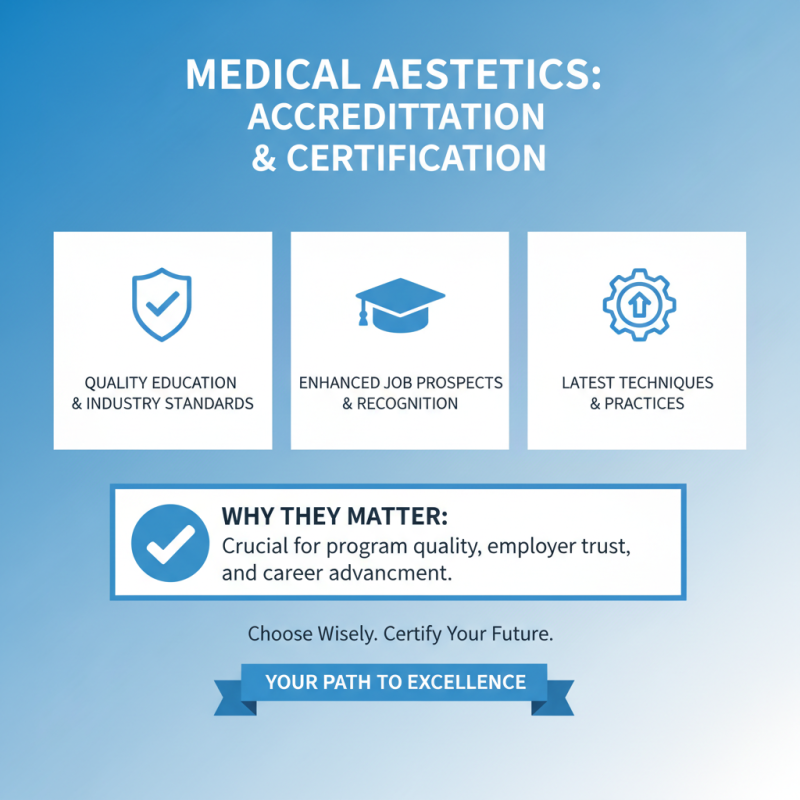
Tip: Always check for accredited programs. Accreditation ensures that the course meets industry standards. Additionally, seek out ongoing education opportunities. The aesthetic industry is dynamic, so continuous learning is essential.
Completing a course does not automatically guarantee success. Practical experience, networking, and staying updated on trends play significant roles. Connect with industry professionals and join relevant associations. This engagement can lead to mentorship and guidance, which are invaluable in this competitive field.
Identifying Your Career Goals in Medical Aesthetics
Choosing the right medical aesthetics course starts with understanding your career goals. Are you looking to work in a clinic, spa, or hospital? Each setting demands different skills and knowledge. Clarifying where you see yourself can guide your educational choices.
Consider what aspects of medical aesthetics excite you. Is it skin health, cosmetic procedures, or patient interaction? Focus on these interests when selecting courses. For instance, if you love hands-on procedures, skills-based training in injectables may align with your goals.
Reflect on your current skills too. Do you have a background in healthcare or beauty? This experience can shape what courses are right for you. Maybe you're starting fresh, which requires foundational education. Explore options that cater to beginners. It’s important to acknowledge that it’s okay to feel uncertain.
Personal growth often stems from navigating these challenges. Choosing a path is a dynamic process. Embrace the journey of discovering your fit in this evolving field.
Evaluating Course Content and Curriculum Offerings
When selecting medical aesthetics courses, course content and curriculum offerings are crucial. A well-structured program should provide both theoretical knowledge and practical skills. According to the American Society for Aesthetic Plastic Surgery, the demand for aesthetic procedures has increased by 200% over the last two decades. This trend highlights the importance of receiving comprehensive education.
Look for courses that cover essential topics such as injectables, laser treatments, and skin care. A curriculum that includes hands-on training can greatly enhance your skill set. Many successful practitioners emphasize the need for ongoing education. The industry evolves rapidly, and staying current with best practices is essential.
However, not every course provides the same depth of training. It's vital to read reviews and seek feedback from former students. Course providers may claim to offer extensive training, but results can vary. Consider asking about the qualifications of instructors. Their experience is often reflected in the quality of the program. In a field marked by rapid changes, ensuring a solid educational foundation should be your priority.
Choosing the Right Medical Aesthetics Courses: Course Content Comparison
Assessing the Qualifications of Instructors and Institutions
Choosing the right medical aesthetics courses involves careful consideration of instructors' qualifications and institutional credibility. Reports indicate that well-trained instructors significantly enhance student outcomes. In fact, organizations have found that training under certified professionals increases job placement rates by 30%. Therefore, it's essential to research who will be teaching your classes.
Look for instructors with hands-on experience in medical aesthetics. Those who actively practice can provide real-world insights that textbooks can't offer. Consider their credentials, such as board certifications and years in the industry. Additionally, institutions with strong affiliations to reputable associations often ensure higher educational standards. A survey showed that students from accredited programs reported 25% higher satisfaction rates in their learning experience.
However, not all institutions maintain the same quality. Some may overstate their instructors' qualifications. Read reviews and talk to alumni. They can offer valuable feedback about their education. Transparency is crucial in assessing the reliability of a course. By taking these steps, you can make an informed choice that shapes your career in medical aesthetics.