Top 10 Facial Aesthetics Products to Source Globally?
Top 10 Facial Aesthetics Products to Source Globally?
Global sourcing in facial aesthetics requires more than comparing prices or attractive packaging. Clinics and distributors must evaluate product quality, clinical evidence, manufacturing standards, storage conditions, and regulatory status. The strongest product shortlist may include neuromodulators, dermal fillers, skin boosters, microneedling devices, professional skincare, LED systems, chemical peels, post-treatment care, diagnostic tools, and sterile accessories. Each category carries different safety responsibilities.
Dr. Jean Carruthers, a pioneer in aesthetic medicine, has emphasized a patient-centred principle: “The goal is to enhance, not to change.” This idea matters when assessing products from unfamiliar markets. A filler that looks excellent in a brochure may perform differently in real tissue. A device may require training, calibration, or specific electrical standards. A refrigerated product may lose quality after one poorly monitored shipment.
Reliable sourcing begins with verification. Check the manufacturer’s identity, batch traceability, certificates, clinical documentation, expiry dates, and authorised distribution channels. Confirm the product’s legal approval in the destination country. Never assume global availability means global permission. Pricing should be reviewed carefully, too. Extremely low costs can hide counterfeit risks, weak documentation, or inadequate support.
Some choices remain debatable. “Natural-looking” results are not measured identically everywhere. Buying directly may reduce costs, but local regulatory support can be more valuable. This guide examines ten globally sourced product categories through a practical lens. It considers evidence, usability, logistics, training needs, and patient safety. The best product is not always the newest. Often, it is the one that can be verified, stored correctly, and used responsibly.
What Defines a Globally Sourced Facial Aesthetics Product
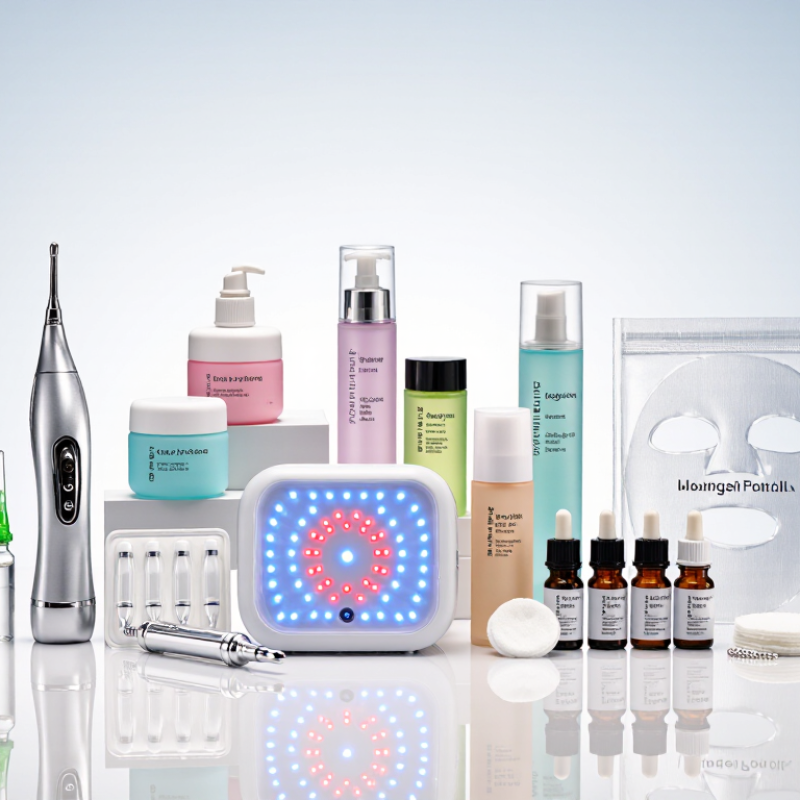
A globally sourced facial aesthetics product is more than an imported item. It should have clear regulatory status, traceable manufacturing, and consistent quality. The strongest product categories include cleansers, barrier creams, sunscreens, retinoid care, chemical peels, microneedling supplies, hyaluronic acid fillers, neuromodulators, post-procedure masks, and sterile aftercare kits.
Documentation matters. Each product should show its batch number, expiry date, ingredient list, and storage conditions. Injectable products need stronger controls, including authorized distribution, sterile packaging, practitioner instructions, and verified temperature records. Labels should be available in the destination market’s required language. Safety data must remain accessible after purchase.
I have found that logistics often reveal more than marketing claims. A refrigerated shipment may arrive warm. A sealed box may still show damage. These details require inspection. Staff should record delivery temperature, packaging condition, and batch information before use. They should also report adverse reactions through lawful local procedures. No sourcing system is flawless. A supplier with impressive certificates may still communicate poorly during a recall. That weakness deserves attention. Global quality depends on evidence, professional training, honest product claims, and reliable follow-up across borders.
How to Classify the Top Ten Facial Aesthetics Product Categories
Top 10 Facial Aesthetics Products to Source Globally?
How to Classify the Top Ten Facial Aesthetics Product Categories
A useful classification starts with treatment purpose, not packaging. The ten core categories are
botulinum toxin,
hyaluronic acid fillers,
collagen stimulators,
skin boosters,
platelet-based products,
chemical peels,
microneedling systems,
radiofrequency devices,
ultrasound devices, and
professional cosmeceuticals.
ISAPS’s 2023 Global Survey identified botulinum toxin as the leading nonsurgical aesthetic procedure, with more than eight million treatments reported worldwide. This supports strong demand, but demand alone does not prove product quality.
For sourcing, divide these categories by risk and clinical handling.
Injectable products require licensed clinical use, traceability, sterility controls, and reliable temperature management.
Devices need electrical certification, training materials, maintenance support, and documented performance testing.
Topical products should be assessed through ingredient safety, stability testing, packaging compatibility, and substantiated claims.
Grand View Research estimates that the global facial injectables market will continue expanding strongly through 2030, with double-digit annual growth projected in its market analysis. That forecast is useful, yet regional regulations and practitioner preferences can change quickly. A neat global ranking is tempting. It may still mislead.
Buyers should compare adverse-event data, post-market surveillance, clinical evidence, and supplier transparency before comparing price. Practical details matter: a damaged seal, unclear batch record, or missing instructions can outweigh an attractive margin.
Where to Find Qualified International Manufacturers
Top 10 Facial Aesthetics Products to Source Globally?
Where to Find Qualified International Manufacturers
Global demand is rising, but supplier quality varies sharply. The ISAPS 2023 Global Survey recorded more than 19 million nonsurgical aesthetic procedures worldwide. That volume creates opportunity and pressure. A practical sourcing shortlist includes hyaluronic acid fillers, collagen stimulators, botulinum toxin products, skin boosters, mesotherapy solutions, chemical peels, microneedling cartridges, PDO threads, sterile cannulas, and post-treatment dressings. Each category needs different evidence, controls, and storage conditions.
Look for manufacturers operating under ISO 13485 and documented quality-management procedures. Request regulatory certificates, product registrations, batch records, sterility data, stability testing, and adverse-event procedures. For injectable products, confirm raw-material traceability and temperature requirements before negotiating price. Qualified manufacturers should explain their clinical evidence clearly, not hide behind attractive packaging. Independent audits can reveal weak contamination controls or inconsistent filling processes. The Grand View Research medical aesthetics report projects strong market growth through 2030, but growth does not prove product safety. Check the actual factory.
Ask for samples only through lawful commercial channels. Verify import rules with local authorities and licensed healthcare professionals. Some products require prescriptions, professional administration, or premarket authorization. A low quote can look convincing. It may also exclude cold-chain shipping, testing, or local registration. I would not approve a supplier after one video call. No supplier file is ever perfect. Keep reviewing complaints, delivery records, and batch consistency after the first purchase.
How to Compare Pricing, Logistics, and Supplier Reliability
Global sourcing for facial aesthetics products requires more than comparing unit prices. A practical shortlist may include cleansers, toners, serums, moisturizers, barrier creams, sunscreens, masks, gentle exfoliants, post-treatment gels, and LED devices. Each category needs different checks. Compare the full landed cost, including samples, packaging, freight, duties, insurance, and quality testing. A low quotation can become expensive after delays or rejected shipments.
Ask suppliers for current ingredient lists, batch records, certificates of analysis, stability data, expiry dates, and product specifications. For devices, verify electrical safety documents, operating instructions, warranty terms, and destination-market requirements. Packaging should survive vibration, heat, and humidity. I prefer small trial orders before committing to large volumes. This reveals weak seals, inconsistent textures, and slow communication early.
Logistics deserve equal attention. Check production capacity, lead times, minimum order quantities, customs support, and temperature controls when needed. Request a written delivery schedule. Then compare it with actual performance from recent orders. Supplier reliability is easier to measure than to assume. Track response time, complaint handling, replacement policies, and documentation accuracy. I have seen attractive prices hide poor forecasting and uneven batches. That mistake is easy to repeat. Independent testing may add cost, but it can protect customer safety and purchasing decisions. Availability can also change suddenly, so keep a qualified backup supplier and review compliance documents regularly.