Top 10 Trends in Medical Aesthetics You Should Know?
The realm of medical aesthetics is evolving rapidly. Innovations in this field are reshaping how we perceive beauty and health. More people are exploring various procedures to enhance their appearance. Clinics are now offering a broader range of services than ever before.
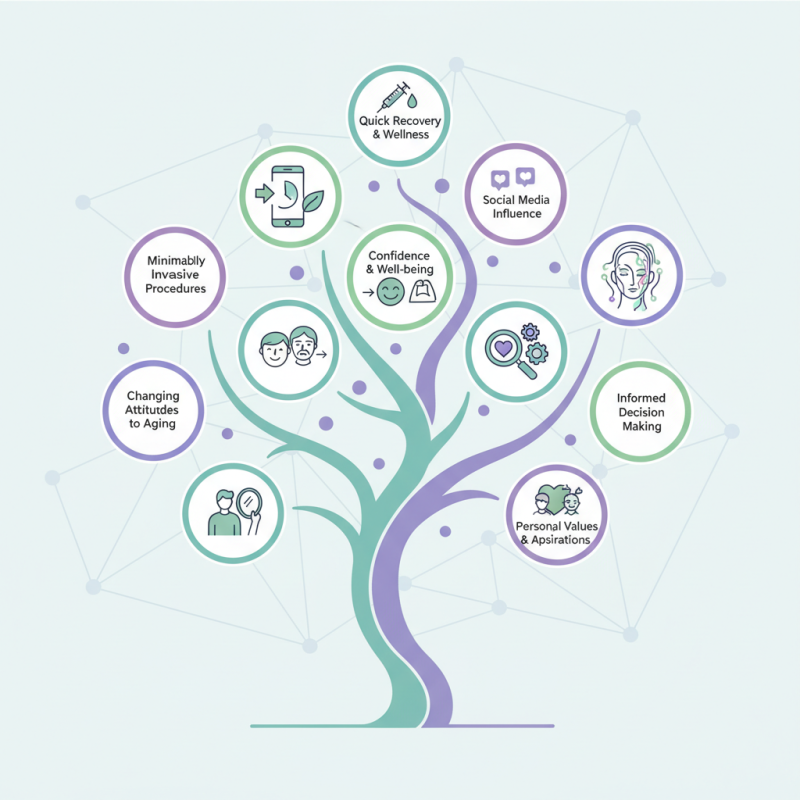
Patients seek minimally invasive options that promise quick recovery. The rise of social media influences many to consider medical aesthetics. People want to look good, but they also want to feel confident. Each trend reflects changing attitudes towards aging and self-care. The impact of these trends can be both positive and concerning.
Many of these advancements come with risks that warrant reflection. Not all procedures guarantee satisfaction or safety. Awareness of potential side effects is crucial. Understanding the evolving landscape helps individuals make informed decisions about their aesthetic journey. As we delve into the latest trends, consider how they resonate with your own values and aspirations in the world of medical aesthetics.
Emerging Technologies in Medical Aesthetics
The field of medical aesthetics is rapidly evolving, driven by innovative technologies. One of the most exciting trends is the rise of artificial intelligence in treatment planning. Practitioners can analyze patient data more effectively. This leads to personalized treatment options that cater to individual needs. However, relying too much on technology may diminish the human touch.
Another key area is the use of regenerative medicine. This involves harnessing the body's own healing processes. Techniques like PRP (platelet-rich plasma) therapy are gaining popularity for skin rejuvenation. While they show promising results, not everyone responds the same way. It's essential for patients to have realistic expectations.
Technology in patient engagement is also on the rise. Virtual consultations offer convenience and accessibility. However, this can lead to a lack of personal connection. Patients might feel detached from their healthcare providers. Balancing technology and personal interaction is a challenge for the industry. The future is bright, yet reflection on these tools is necessary.
Popular Non-Surgical Treatments Gaining Traction
The rise of non-surgical treatments in medical aesthetics is noteworthy. Recent studies show that this segment is growing rapidly, with a projected increase of over 10% annually through 2026. Patients are increasingly opting for options like dermal fillers, Botox, and laser treatments. These procedures are known for minimal downtime, allowing individuals to maintain their busy lifestyles.
While non-surgical options are appealing, not every treatment works for everyone. Results can vary widely based on individual skin types and desired outcomes. For instance, facial fillers may yield immediate results but can lead to unsatisfactory long-term effects if not administered correctly. It's crucial to have realistic expectations and understand that touch-ups may be needed over time.
Tip: Always consult a licensed professional for advice tailored to your specific needs. They can help you choose the right procedure and discuss potential risks. Remember, every treatment carries some level of unpredictability.
Stay informed about the latest techniques and advancements in the industry. Knowledge of trends can empower you to make better decisions regarding your aesthetic goals. Just keep in mind that not all trends may be suitable for everyone. Regular follow-ups with your provider can ensure your ongoing satisfaction with your chosen treatment.
Top 10 Trends in Medical Aesthetics You Should Know
Innovations in Injectable Fillers and Botulinum Toxin
The world of medical aesthetics is evolving rapidly. Injectable fillers and botulinum toxin treatments are becoming more refined. These advancements focus on natural-looking results. Patients seek subtle enhancements instead of dramatic changes.
Injectable fillers now come in various formulations. Some emphasize hydration. Others target specific facial areas. It's crucial to understand the right product for your needs. Not every filler suits every individual. Observation and communication with professionals are key.
For those considering botulinum toxin, timing is essential. The effects can vary from person to person. Many start treatments before deep lines form. Being proactive can yield better long-term results. Remember, overuse can lead to an artificial appearance.
**Tip:** Always consult with a qualified practitioner. Discuss your goals and concerns.
**Tip:** Consider starting with a small amount. You can always add more later.
Moderation often leads to the most satisfying outcomes in aesthetics. Be patient and realistic about your expectations. Adjustments might be necessary. It’s all part of the process.
The Role of Artificial Intelligence in Aesthetic Procedures
Artificial Intelligence (AI) is transforming the field of medical aesthetics. Its role has become crucial in enhancing patient outcomes and streamlining procedures. AI can analyze patient data quickly, identifying trends and predicting results based on previous treatments. This allows practitioners to tailor procedures to individual needs effectively.
AI also assists in the design of aesthetic solutions. For instance, algorithms can simulate results before the actual procedure. Patients can visualize their potential outcomes. This transparency builds trust but demands caution. Not all predictions are perfect. There’s still a gap between simulation and reality.
Moreover, AI can optimize workflow in clinics. It manages scheduling and patient follow-ups efficiently. However, reliance on technology raises concerns. Can AI ever replace the human touch? There’s a risk of losing the personal connection. Balancing advanced technology with the art of aesthetics is vital for success.
Trends in Patient-Centered Care and Personalized Treatments
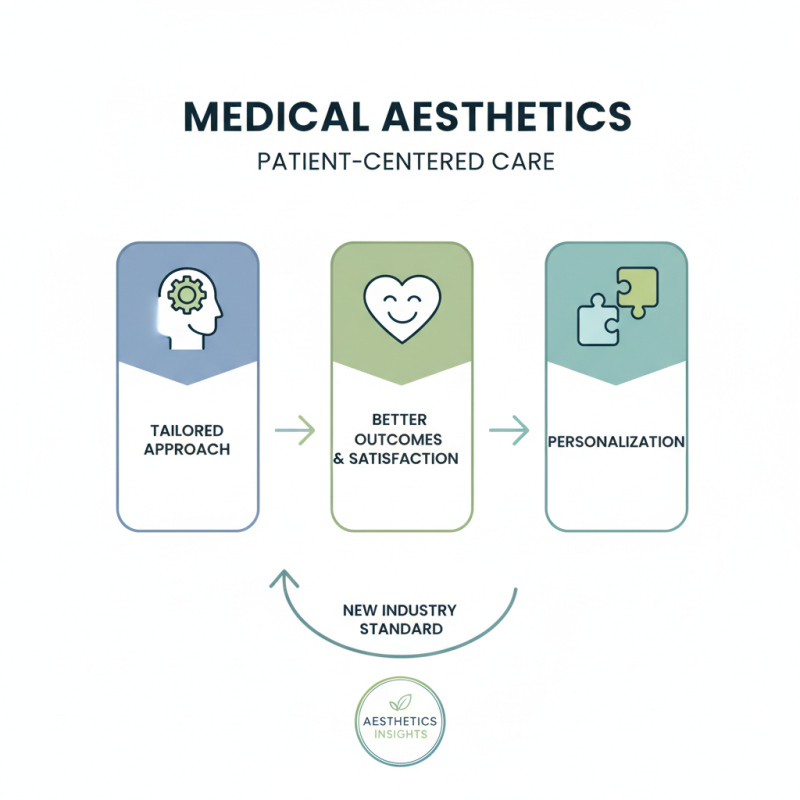
In the world of medical aesthetics, patient-centered care is gaining significant traction. A tailored approach leads to better outcomes and higher satisfaction. Personalization is becoming the norm. Providers are now emphasizing individual needs and preferences. This shift is all about making treatments more relevant and effective.
Tips: Always communicate your goals clearly. Consider what you truly want from a procedure. This clarity helps professionals to guide you better. Stay open-minded about options. Sometimes, the ideal solution may not be what you initially imagined.
As we move forward, technology plays a vital role. Innovations like AI can analyze patient data to customize treatments. However, this reliance on tech should not overshadow the human touch. Providers need to engage with patients on a personal level, connecting via communication and trust. It's a delicate balance to maintain.
Tips: Don't hesitate to ask questions during consultations. Understanding your treatment plan is crucial. Reflect on past experiences and share them with your provider. Your feedback helps in creating a more suitable approach. Always remember, aesthetics should enhance your natural beauty.