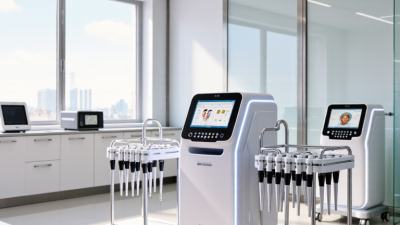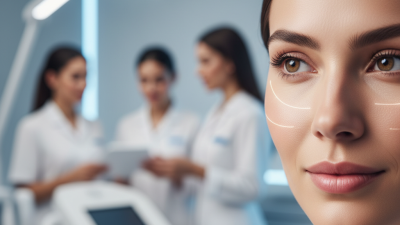

Aesthetic medical equipment includes the devices used to improve skin quality, body contour, hair growth, and visible signs of aging. Lasers, intense pulsed light systems, radiofrequency platforms, ultrasound devices, microneedling tools, and cryolipolysis systems belong to this broad category. They do not all work in the same way. Some deliver controlled heat, while others use light, sound, needles, or cooling.
The market is expanding quickly. Grand View Research estimated the global aesthetic medicine market at approximately USD 18 billion in 2023, with continued growth expected through the decade. The International Society of Aesthetic Plastic Surgery reported more than 34 million surgical and nonsurgical aesthetic procedures worldwide in 2023. These figures show demand, but they do not prove that every device is effective or suitable. That distinction matters.
Dermatologist Dr. Doris Day has stated, “The goal is not to look different; it is to look like the best version of yourself.” Her perspective highlights an important principle: equipment should support a carefully assessed treatment plan, not replace clinical judgment. Reliable systems require documented performance, trained operators, appropriate patient screening, and transparent risk information. Standards such as ISO 14971 for medical-device risk management and IEC 60601 for electrical safety provide useful reference points. Yet certification alone is not enough. Real-world outcomes can vary with skin type, settings, maintenance, and operator experience. A polished brochure may hide these limitations. This guide examines what aesthetics medical equipment is, how it works, and what informed clinics and patients should question before treatment.
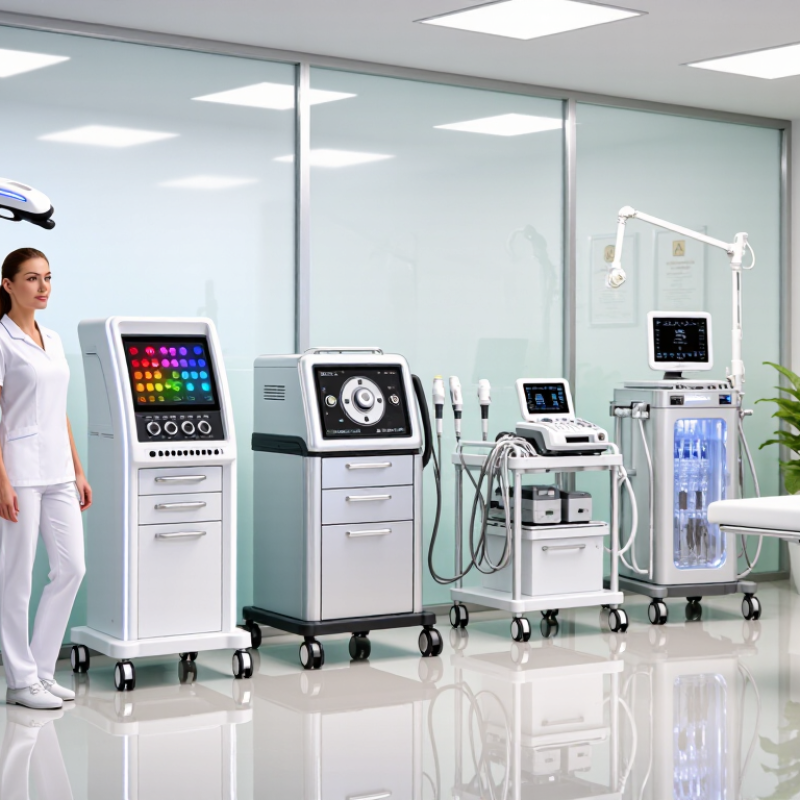
Aesthetic medical equipment refers to regulated devices used by trained professionals to improve, restore, or maintain a person’s appearance. Common categories include energy-based systems, light devices, ultrasound platforms, cooling equipment, and technologies supporting skin tightening or hair reduction. Their purpose is practical, not magical: they deliver controlled energy or mechanical action to targeted tissue.
The equipment must match the intended treatment, tissue depth, and patient condition. A trained practitioner checks skin type, medical history, treatment goals, and possible contraindications before use. The U.S. Food and Drug Administration explains that medical devices require appropriate authorization for specific intended uses. That matters because one device cannot safely support every claim. In practice, labels can still be misunderstood.
Demand helps explain this expanding field. The International Society of Aesthetic Plastic Surgery reported more than 19 million nonsurgical procedures worldwide in its 2023 Global Survey. Grand View Research also estimated the global aesthetic medicine market at approximately USD 18.6 billion in 2023. These figures show strong adoption, but they do not prove that every treatment is effective for every person. Results depend on operator experience, device settings, maintenance, and patient selection. Small details matter, such as a clean handpiece, documented energy levels, and realistic aftercare instructions. A device is not a promise. Sometimes, the most professional decision is to delay treatment or decline it.
What Is Aesthetic Medical Equipment?
Main Categories of Aesthetic Medical Devices
Aesthetic medical devices support procedures that improve skin texture, tone, hair growth, or body contours. Their effects depend on energy, tissue depth, treatment settings, and patient condition. A neat classification is useful, but never perfect.
Energy-based devices form one major category. Lasers and intense pulsed light target pigment, redness, scars, or unwanted hair. Radiofrequency devices deliver controlled heat to deeper tissue. Ultrasound systems use focused acoustic energy for selected lifting or contouring procedures. Cooling devices may reduce localized fat in carefully assessed areas. Operators must match wavelength, intensity, and skin type to the treatment goal. Small settings matter.
Mechanical and minimally invasive devices create controlled physical changes. Microneedling systems use fine needles to stimulate the skin’s repair response. Microdermabrasion devices remove surface cells through gentle abrasion. Vacuum-assisted systems can support cleansing or tissue manipulation, but results vary between patients. Some equipment combines several functions, which makes training even more important.
Diagnostic and support equipment also belongs in professional practice. Skin imaging can document pigmentation, pores, and vascular changes before treatment. Sterilization units, protective eyewear, cooling systems, and emergency supplies help maintain safety. Qualified practitioners should review medical history, device clearance, contraindications, and aftercare instructions. Clinical evidence is not equally strong for every device. That is easy to overlook. Proper maintenance, documented settings, and honest communication remain essential.
Aesthetic medical equipment uses controlled energy to change targeted skin or tissue. Common energy forms include light, radiofrequency, ultrasound, and cooling. Each method interacts with tissue differently. Light may target pigment or blood vessels. Radiofrequency gently heats deeper layers. Ultrasound can deliver focused energy beneath the surface. Cooling systems remove heat from selected areas. The goal is controlled stimulation, not uncontrolled damage.
During a professional session, the practitioner checks skin type, medical history, and treatment goals. They then adjust energy level, pulse duration, and treatment depth. You may feel warmth, brief snapping, pressure, or cool air. Mild redness can appear afterward. Collagen remodeling often develops gradually over several weeks. Results vary because skin thickness, age, healing ability, and lifestyle differ. Not every visible change comes from the device alone. That assumption deserves caution.
Tips: Choose a qualified practitioner who explains risks, expected downtime, and alternatives. Ask how the equipment is maintained and calibrated. Follow instructions about sun exposure and skincare. Do not ignore persistent swelling, blistering, or unusual pain. Evidence also varies between technologies, so request realistic outcomes rather than dramatic promises. A consultation may feel slow, but rushing can create avoidable problems.
Aesthetic medical equipment includes lasers, intense pulsed light, radiofrequency, ultrasound, and cooling systems. These devices support both clinical care and cosmetic improvement. Their applications often overlap. For example, laser resurfacing may soften acne scars while improving uneven pigmentation. Vascular-light systems can reduce visible redness and small blood vessels. Radiofrequency and ultrasound devices may support skin tightening through controlled tissue heating.
Cosmetic demand remains measurable. The American Society of Plastic Surgeons reported about 3 million skin resurfacing procedures in the United States in 2023. Its report also recorded over 1 million laser hair removal procedures. Globally, the International Society of Aesthetic Plastic Surgery reported more than 19 million nonsurgical procedures in 2023. These figures show strong interest, but they do not prove that every device suits every patient. Skin tone, medication use, scar history, and treatment goals can change the risk profile. The boundary between “cosmetic” and “clinical” is not always neat. Sometimes, expectations are the hardest part.
Tips: Ask about the device’s intended tissue depth, cooling method, and clinical evidence. Request realistic before-and-after examples, not only perfect images. A qualified practitioner should explain discomfort, downtime, contraindications, and possible pigment changes. Treatment records should include settings, test-spot results, and follow-up plans. Small details matter.
Aesthetic medical equipment includes devices used to improve skin, hair, body contour, or visible vascular concerns. Common categories include lasers, intense pulsed light, radiofrequency, ultrasound, and cooling systems. Their risks vary with energy, treatment depth, and patient condition. A device is not automatically safe because it looks modern.
Regulation depends on the country and intended medical use. Clinics should verify registration with the relevant authority, approved indications, and current instructions for use. Electrical equipment may require applicable IEC 60601 testing, while manufacturers often use ISO 13485 quality systems and ISO 14971 risk management. These standards support safety, but they do not replace clinical judgment.
Check the emergency stop. Inspect cables, handpieces, cooling systems, and warning labels. Maintenance records should show dates, service work, calibration, and unresolved faults. Staff need documented training, protective eyewear, skin assessment procedures, and clear responses to burns or unexpected pain. Sterilizable parts require a practical cleaning process, not just attractive packaging.
Choose equipment for the patients you actually treat. Consider skin tones, treatment areas, contraindications, consumable costs, downtime, and local service availability. Ask whether the supplier provides technical support and transparent safety documentation. A polished screen can still hide poor ergonomics. No checklist is perfect. Even experienced teams can overlook a loose connector or outdated protocol, so periodic review remains necessary.